Tanzania’s traditional clothing reflects the country’s rich cultural diversity, with over 120 ethnic groups each contributing unique styles, patterns, and meanings to the nation’s textile heritage. From the colorful kanga worn by coastal women to the elaborate beadwork of the Maasai, traditional Tanzanian attire tells stories of identity, status, and cultural values that have been preserved for generations.
The kanga stands as perhaps the most recognizable piece of traditional Tanzanian clothing. This rectangular cotton cloth, typically measuring about 1.5 by 1 meter, features vibrant colors and intricate patterns with Swahili proverbs or sayings printed along the border. Originally introduced by Arab and Indian traders in the 19th century, the kanga has become deeply embedded in Tanzanian culture, particularly among women along the coast and in urban areas.
Women typically wear two kangas – one as a wrapper (kanga ya kufunga) and another as a head covering or shawl (kanga ya kichwa). The proverbs printed on kangas often carry deep meanings, allowing women to communicate messages about love, wisdom, social issues, or personal feelings without speaking directly.
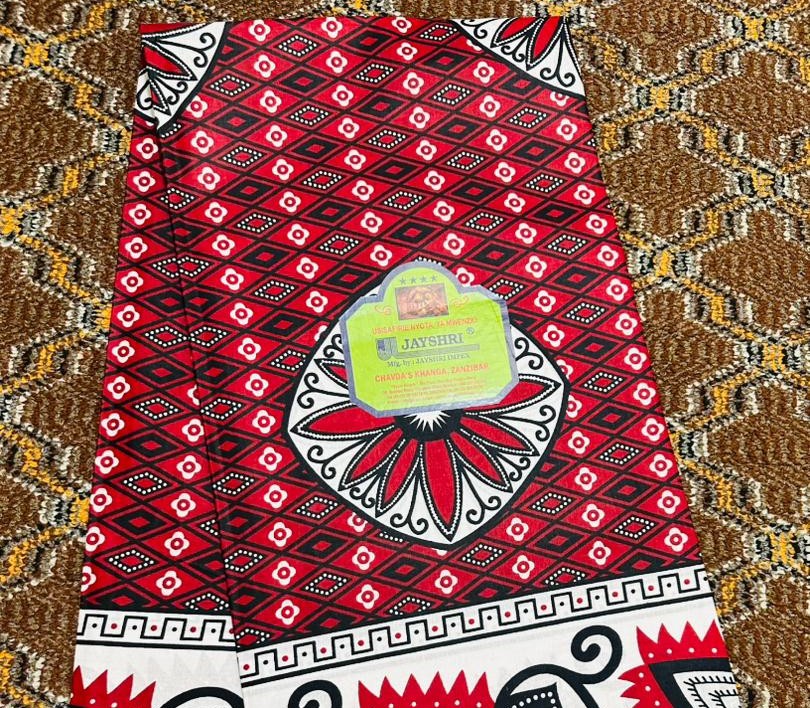
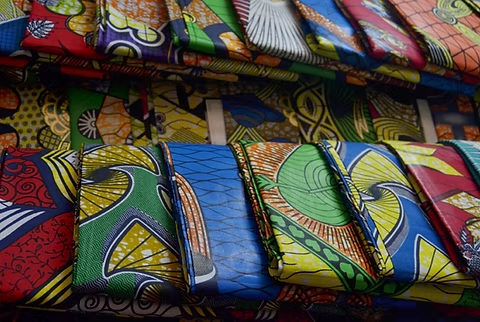
The kitenge, made from colorful African wax print fabric, serves as another cornerstone of Tanzanian traditional dress. More formal than the kanga, kitenge is often tailored into dresses, skirts, shirts, and ceremonial wear. The intricate patterns and bold colors of kitenge fabric carry symbolic meanings, with certain designs reserved for special occasions or representing specific cultural concepts.
Modern Tanzanian fashion has embraced kitenge, incorporating it into contemporary designs that blend traditional aesthetics with modern cuts and styles. This fusion has made kitenge popular not only within Tanzania but also internationally, as part of the broader African fashion renaissance.
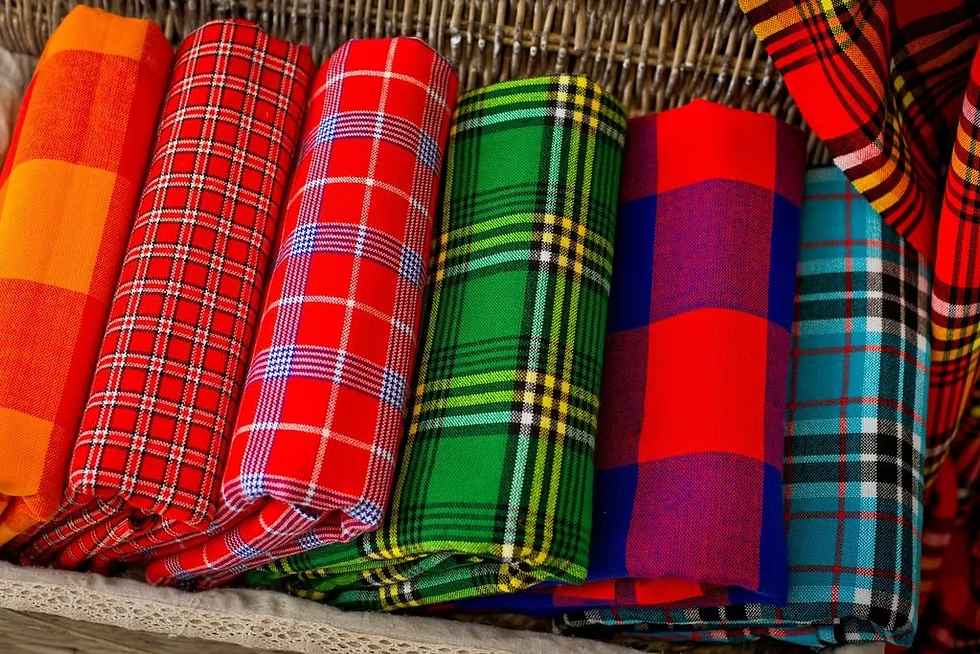
The Maasai people, one of Tanzania’s most internationally recognized ethnic groups, maintain distinctive traditional clothing that reflects their pastoral lifestyle and warrior heritage. The traditional Maasai attire includes:
Shuka: The iconic red, blue, or checkered blanket worn draped over the body. Red symbolizes bravery and strength, while blue represents energy and the sky.
Beadwork: Elaborate beaded jewelry serves both decorative and communicative purposes. Different colors and patterns indicate age, social status, and marital status. Young warriors (morans) wear distinctive beadwork that differs from that of elders or married women.
Accessories: Traditional Maasai accessories include leather sandals, walking sticks, and various ornamental items made from animal hides and natural materials.
Coastal Regions: Influenced by Arab, Persian, and Indian cultures, coastal traditional clothing often features flowing fabrics, intricate embroidery, and modest designs reflecting Islamic influences.
Highland Communities: Groups like the Chagga and Pare people traditionally wore clothing made from bark cloth and animal skins, adapted to the cooler mountain climate.
Central Tanzania: The Gogo, Hehe, and other central tribes developed unique textile traditions using locally available materials and dyes.
Contemporary Tanzania has witnessed a fascinating evolution in traditional dress. While Western clothing dominates urban areas and formal settings, traditional garments remain integral to cultural celebrations, ceremonies, and daily life, especially in rural areas.
Cultural Celebrations: Traditional clothing takes center stage during festivals, weddings, and cultural ceremonies. Events like Independence Day celebrations showcase the diversity of Tanzanian traditional dress.
Fashion Industry: Modern Tanzanian designers increasingly incorporate traditional elements into contemporary fashion, creating a unique blend that appeals to both local and international markets.
Tourism Impact: Traditional clothing has become part of Tanzania’s tourism appeal, with visitors often purchasing kangas, kitenge, and Maasai jewelry as authentic souvenirs.
Traditional Tanzanian clothing serves purposes far beyond mere adornment:
Identity Markers: Specific garments, patterns, and accessories identify tribal affiliation, age groups, and social status within communities.
Communication Tools: Kangas with their printed messages serve as a form of non-verbal communication among women.
Economic Empowerment: Traditional textile production provides income for many Tanzanians, particularly women in rural areas.
Cultural Preservation: Maintaining traditional dress helps preserve cultural knowledge, techniques, and values for future generations.
Many traditional Tanzanian clothing practices embody sustainable principles that modern fashion is now embracing:
Natural Materials: Traditional use of cotton, bark cloth, and natural dyes aligns with contemporary sustainability concerns.
Local Production: Community-based textile production reduces transportation costs and supports local economies.
Durability: Traditional garments are typically made to last, with quality construction and timeless designs that transcend seasonal trends.
Travelers to Tanzania can engage with traditional clothing culture through various experiences:
Cultural Villages: Visit authentic Maasai villages or cultural centers to see traditional clothing in its original context.
Local Markets: Explore markets in Dar es Salaam, Arusha, or Stone Town to purchase authentic kangas and kitenge fabrics.
Fashion Shows: Attend local fashion events that showcase traditional and contemporary Tanzanian designs.
Workshops: Participate in traditional textile-making workshops to learn about dyeing, printing, and sewing techniques.
Traditional Tanzanian clothing represents far more than fabric and fashion – it embodies the soul of a nation rich in cultural diversity and heritage. As Tanzania continues to modernize, these traditional garments serve as bridges between past and present, maintaining cultural identity while adapting to contemporary life.
WhatsApp us

